The Complete Guide to User-Centric Web Design: Boost Conversions and Engagement
Human-centered web design is critical in the contemporary online world. It centers on identifying user requirements and behaviors. This methodology shapes every element of a website, from site structure to written material. By focusing on mobile-friendly design and utilizing analytical tools, developers can improve the overall user journey. The impact of these methods reaches far beyond basic functionality. They can profoundly affect audience interaction and sales performance. What strategies are most effective in achieving these outcomes? Examining this inquiry uncovers valuable findings to light.
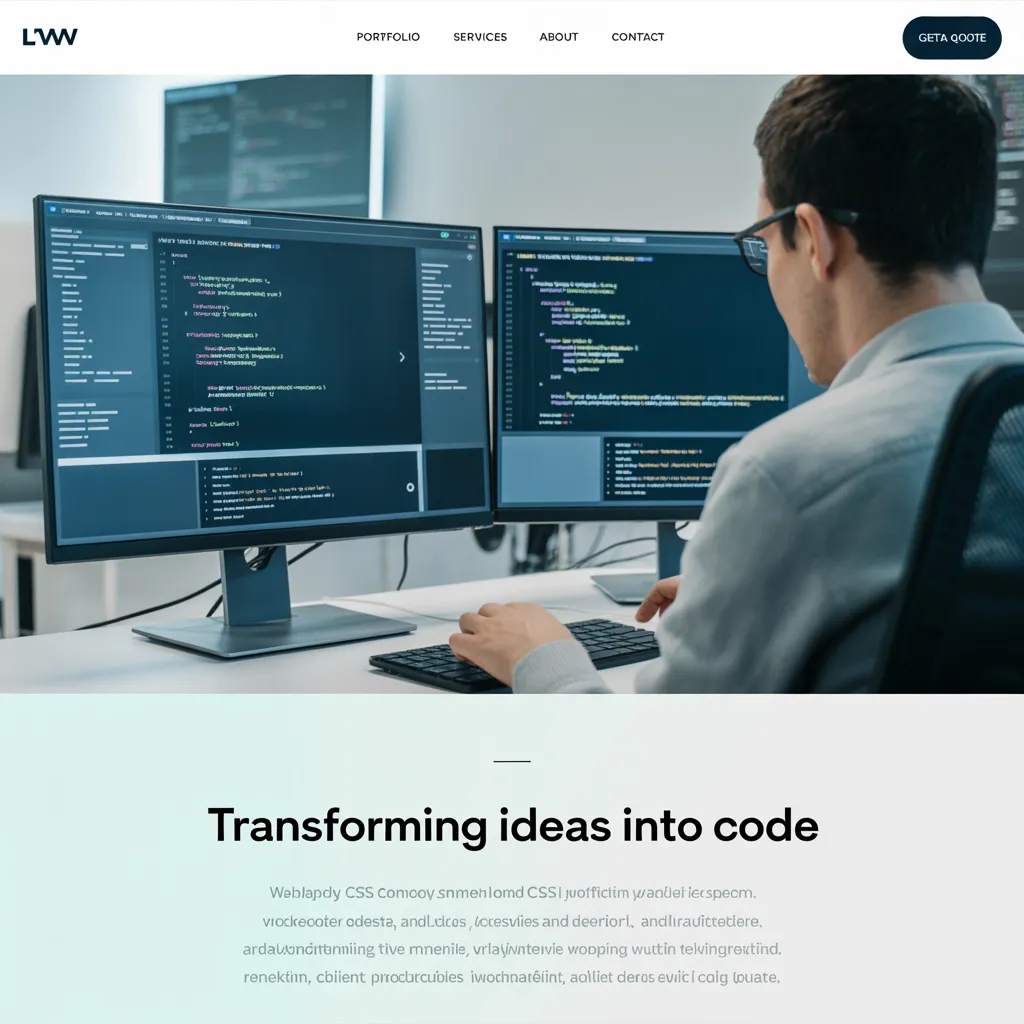
Recognizing User Needs to Achieve Effective Web Design
How are designers able to fully comprehend the needs of their target users? In order to develop effective web designs, they need to conduct comprehensive research and analysis. This requires utilizing a range of techniques including user interviews, surveys, and usability testing. Through collecting qualitative and quantitative data, designers are able to pinpoint pain points, preferences, and behaviors of their target audience.
Analyzing user personas aids in identifying different user types and their specific requirements. Furthermore, researching rival platforms can offer valuable information about market expectations and expectations. Designers should further observe audience behavior with established systems to pinpoint areas for improvement.
Integrating feedback loops during the design process is vital for improving outcomes. By focusing on the needs of users, web designers can build websites that not only bring in visitors but also foster engagement and satisfaction. At its core, a comprehensive knowledge of the needs of users establishes the groundwork for impactful, user-driven web design.
The Way User Needs Shape Intuitive Navigation and Layout
User requirements significantly shape the creation of intuitive navigation and layout within web design. Comprehending these requirements ensures that users can effortlessly find information, enabling a smooth and fluid browsing experience. Successful navigation is organized around users' cognitive models, which determine how they anticipate engaging with a website. This harmony not only improves usability but also minimizes frustration, consequently resulting in greater engagement rates.
Page structures must focus on simplicity and user-friendliness, incorporating familiar design patterns that users recognize. Elements such as menus, buttons, and calls to action need to be deliberately arranged in alignment with user patterns and inclinations. Via carrying out user studies and accessibility assessments, designers can identify pain points and preferences, allowing them to create layouts that cater to specific user journeys. Ultimately, a user-centric approach to navigation and layout fosters a more intuitive interface, which is essential for retaining visitors and driving conversions.
Crafting Engaging Content That Satisfies User Expectations
Crafting engaging content necessitates a thorough understanding of audience expectations and preferences. To successfully capture the reader's attention, writers must analyze user habits, interests, and challenges. This insight empowers them to tailor messages that appeal to the target audience, enhancing relevance and appeal.
Utilizing straightforward, precise wording and compelling visuals can significantly enhance engagement. Additionally, employing narrative strategies serves to establish meaningful bonds, making the content more memorable. It is essential to maintain a consistent tone that supports the brand image while addressing audience requirements.
Additionally, including interactive elements, such as polls or quizzes, encourages active participation. Consistently refreshing content confirms content stays current and valuable, addressing the evolving requirements of visitors. When focusing on relevance and quality, companies can foster lasting trust, thereby generating increased conversions and engagement.
User-Focused Mobile Optimization for Accessibility and Usability
What elements play a role explore article in successful mobile optimization which focuses on accessibility and usability? Initially, responsive design guarantees web pages transition smoothly across multiple screen resolutions, elevating the browsing experience. Moreover, seamless navigation is essential; straightforward menus and accessible buttons support smooth user interactions. Prioritizing fast load times is essential, as users on mobile devices demand immediate access to content.
Furthermore, incorporating accessibility features, such as text-to-speech functions and adjustable font sizes, serves people with accessibility needs, broadening the audience. Employing bold contrast color palettes and clear and readable fonts improves readability, above all in outdoor viewing situations.
Including touch-friendly design elements reduces user frustration, permitting users to connect naturally with content. Additionally, performing testing across different devices and platforms ensures a consistent interaction. By concentrating on these aspects, companies can create mobile interactions that not only satisfy user requirements but also enhance overall engagement and conversion rates.
Methods to Track User Engagement and Conversion Success
Proper mobile optimization establishes the groundwork for assessing user engagement and conversion performance. Various tools enable web designers and marketers to analyze user behavior and track critical metrics. Google Analytics remains a cornerstone, offering insights into user demographics, session duration, and bounce rates, helping identify areas for improvement. Heatmap tools like Hotjar and Crazy Egg visually represent user interactions, allowing designers to see where users click, scroll, and drop off.
Split testing platforms, including Optimizely and VWO, support experimentation across various design components to identify which variations produce improved conversion outcomes. Moreover, user feedback tools like SurveyMonkey and Typeform gather qualitative data directly from users, offering valuable insights into their experiences. By employing these solutions, organizations can create a more customer-oriented interface that not only increases engagement but also elevates conversion rates, which ultimately produces stronger organizational performance.
Common Questions and Answers
What Methods Can I Use to Gather User Feedback Successfully?
To obtain user feedback successfully, one should leverage usability testing, surveys, and interviews. Processing data via analytics tools and promoting open communication fosters a deeper understanding of the needs and preferences of users, ultimately improving product development.
What Are the Most Frequent Errors in User-Centric Design?
Typical pitfalls in user-centric design include overlooking user research, making navigation too complex, failing to address accessibility, not optimizing for mobile devices, and failing to iterate based on feedback. These errors can damage user experience and lead to reduced engagement.
How Regularly Should I Redesign My Website?
A web design should be redesigned every one to three years, based on industry trends, user feedback, and technological advancements. Frequent updates guarantee ongoing relevance, improve user experience, and maintain meaningful engagement with your target audience.
What Role Does Color Psychology Play in Design?
The psychology of color plays a major role in visual design by stirring feelings and shaping perceptions. Creative experts leverage color strategically to improve the overall user experience, direct user behavior, and build a strong brand identity, ultimately impacting user engagement and conversions on a wide range of digital platforms.
How Do I Achieve a Balance Between Aesthetics and Functionality
Achieving harmony between aesthetics and functionality requires careful consideration of user experience. Designers ought to focus on intuitive navigation and accessibility while integrating visually engaging elements, ensuring that beauty enhances usability instead of undermining the overall effectiveness of the design.